Category: Home Improvement

  • How to Choose the Best Artificial Grass for Your Melbourne Property

    How to Choose the Best Artificial Grass for Your Melbourne Property

    Have you ever wondered why your neighbour’s lawn looks perfect year-round whilst yours struggles through Melbourne’s unpredictable weather? Are you tired of spending weekends mowing, watering, and battling brown patches? What if there was a way to have a pristine green lawn without the constant maintenance?

    Choosing the right artificial grass for your Melbourne property might seem overwhelming at first. With countless options flooding the market, understanding what makes quality synthetic turf can feel like navigating a maze. From pile heights to installation methods, there’s plenty to consider before making this investment.

    Understanding Artificial Grass: Key Takeaways

    Evolution and Modern Technology

    • Past: Early versions (1960s) were unrealistic, rough plastic carpets.
    • Present: Modern technology creates products that closely mimic real grass in appearance and texture.
    • Key Advancements: Advanced UV stabilisers prevent fading, and improved drainage systems handle heavy rain effectively.

    Why Melbourne Homeowners Choose Synthetic Grass?

    • Weather Challenges: It solves the issue of maintaining natural lawns in Melbourne’s unpredictable weather, avoiding patchy summer lawns (due to water restrictions) and muddy winter yards.
    • Lifestyle: It offers a low-maintenance solution for busy homeowners, freeing up weekend time from mowing.
    • Environment/Cost: It helps reduce water consumption and water costs, aligning with environmental priorities.

    Components of Quality Fake Turf Grass

    • Backing Material: Provides the foundation and durability, typically made from latex or polyurethane.
    • Yarn/Blade Material (Determines Look and Feel):
      • Polyethylene: Softer, more natural-feeling; ideal for play areas.
      • Polypropylene: Budget-friendly; works well for decorative areas.
      • Nylon: Offers exceptional durability for high-traffic zones, but is the most expensive.

    Key Factors for Selecting Artificial Grass

    Pile Height (The Grass Blade Length)

    • 20-30mm (Short): Ideal for heavy foot traffic areas and putting greens. Easiest to maintain and least likely to flatten.
    • 30-40mm (Medium): The best balance for most residential use. Provides a natural look while remaining practical and comfortable.
    • 40mm+ (Long): Creates a luxurious, plush surface for decorative or comfort areas. Requires more maintenance (to prevent matting) and is less suited for high-traffic zones.

    Size and Coverage (Measuring and Ordering)

    • Accurate Measurement is Key: Standard rolls come in 2m or 4m widths. Plan carefully to minimise waste and cost.
    • Small Areas: Use pre-cut pieces (e.g., for balconies/courtyards) for better value and easier DIY installation.
    • Large Areas: Benefit from custom sizing and professional installation planning to reduce visible joins and seams.
    • Wastage: Always factor in a small percentage for waste, especially with unusual shapes.

    Length for Melbourne Climate (Heat and Durability)

    • 25-35mm (Shorter): Recommended for Melbourne’s extremes. They dry quickly and retain less heat in summer, allowing better air circulation.
    • Heat Retention: Longer grass can create pockets of heat, making it uncomfortably warm. Prioritise shorter options if the lawn is primarily used in summer.
    • Seasonal Use: Consider if your priority is heat management (summer use) or durability and drainage (year-round use).

    Installation Depth (The Base Structure)

    • Base Requirement: A proper base requires 50-100mm of crushed rock or aggregate for essential drainage and stability.
    • Transitions: The total depth must be planned relative to surrounding features like paths to ensure a smooth transition.
    • Poor Drainage: Areas with poor natural drainage may require additional depth and/or the installation of specific drainage systems to ensure optimal, long-term performance.

    Best Artificial Grass for Different Melbourne Property Areas

    Creating the Perfect Patio with Artificial Grass

    Transforming your patio with artificial grass creates an inviting outdoor living space that bridges indoor comfort with garden beauty. Unlike traditional paving or decking, synthetic turf provides a soft, comfortable surface perfect for barefoot relaxation. It’s particularly brilliant for families with young children who need safe play areas.

    Best Synthetic Grass for Balcony Spaces

    Balcony installations present unique opportunities and challenges for synthetic grass applications. Weight considerations become crucial, especially for older buildings. Lightweight options with minimal infill requirements work best for these elevated spaces.

    Selecting the Best Artificial Grass for High Traffic Areas

    High-traffic zones demand artificial grass engineered for durability and resilience. Areas like pathways, children’s play zones, and pet runs need products that bounce back from constant use. Nylon-based options excel here, maintaining appearance despite heavy wear.

    Artificial Grass for Landscaping: Front and Back Gardens

    Front gardens benefit from synthetic grass that enhances kerb appeal whilst eliminating maintenance headaches. Choose products with varied blade colours and textures that create natural-looking surfaces. Quality matters here – cheap options can detract from property value rather than enhancing it.

    Types of Artificial Turf: Key Considerations

    Choosing Grass for Small Courtyards

    • Coverage: Opt for wall-to-wall coverage to maximise usable space and create the illusion of a larger area.
    • Dimensions: Products with 2m widths often fit narrow courtyards well.
    • Aesthetics: Choose lighter green shades and medium pile heights to prevent the space from feeling overwhelmed or confined.
    • Function: Prioritise durability and comfort if the area is multi-functional (e.g., entertaining/play).

    Comparing Faux Grass Options

    • Premium: Features advanced technology (heat reduction, antimicrobial, enhanced drainage) and justifies a higher price for longevity (15-20 years) and quality.
    • Mid-Range: Offers a balance of quality and affordability with a realistic appearance and decent durability, suitable for most residential needs.
    • Budget: Best for temporary solutions or low-use areas; they are the most affordable but have limited longevity (5-7 years) and appearance.

    Value: Premium vs. Budget Turf

    • Longevity: Premium lasts 15-20 years; Budget lasts 5-7 years. Consider the long-term cost of replacement.
    • Warranty: Premium brands often offer extensive 10-15 year warranties (covering UV and wear). Budget options have more limited coverage.
    • Total Ownership Cost: Spending more upfront can often save money long-term by avoiding frequent replacements and associated installation costs.

    Best Turf for Pet Owners

    • Drainage & Hygiene: Requires superior drainage to prevent odour buildup and products with antimicrobial treatments to inhibit bacteria.
    • Durability: Must be made of tougher materials (e.g., Polyethylene and nylon blends) to resist damage from claws and active play.
    • Maintenance: Choose products that handle regular hosing and deep cleaning. Specialised cleaning products are available for pet areas.

    Making the Final Decision: Choosing the Best Artificial Lawns

    Comparing the Best Synthetic Grass Brands in Melbourne

    Leading brands in Melbourne’s market offer distinct advantages for different applications. Research manufacturer reputation, local presence, and customer reviews. Established brands typically provide better warranty support and product consistency.

    Understanding Warranties and What They Really Cover:

    • Warranty terms vary: Warranty terms vary significantly between manufacturers and products. Comprehensive warranties cover UV stability, preventing premature fading or degradation. They should also address unusual wear and manufacturing defects.
    • Read the fine print: Read the fine print carefully regarding installation requirements and maintenance obligations. Many warranties require professional installation and regular maintenance documentation. Non-compliance might void coverage, leaving you unprotected.
    • Understand the difference: Understand the difference between manufacturer and installer warranties. Reputable installers offer workmanship guarantees separate from product warranties. This dual coverage provides comprehensive protection for your investment.

    Where to Buy the Best Artificial Turf Grass in Melbourne?

    Specialist synthetic grass retailers offer the widest product selection and expert advice. They typically display various options, allowing hands-on comparison. Staff knowledge helps match products to specific requirements.

    Conclusion

    Selecting the perfect artificial grass involves balancing factors like pile height, durability, and drainage to match your specific needs and Melbourne’s climate. The numerous benefits of quality synthetic turf—from water conservation and year-round usability to reduced maintenance—offer practical solutions that enhance property value and lifestyle. Ensure long-term satisfaction by making informed choices, requesting samples, and prioritizing professional installation to guarantee proper drainage and secure your warranty. Start exploring artificial grass your options today to find the beautiful, functional artificial grass solution that will enhance your home for years.

  • Creating a Family-Ready Bathroom That Blends Function and Style

    Creating a Family-Ready Bathroom That Blends Function and Style

    Designing a bathroom for a family means making space work for everyone—from toddlers splashing in the tub to parents racing through morning routines. A thoughtful layout and smart feature choices can make daily life easier while still maintaining a clean, stylish look.

    Efficient use of space is key. Double vanities help reduce wait times, letting multiple people get ready without conflict. To keep things organized, vertical storage like floating shelves or baskets can be installed at different heights so kids and adults can reach what they need. Wall hooks at staggered levels and clearly labeled bins also encourage tidiness and independence for younger family members.

    Safety should be built into the design from the start. Wet floors are common in a busy bathroom, so slip-resistant surfaces such as textured tile or vinyl offer better traction without sacrificing visual appeal. Adding soft bath rugs around the tub and sink and choosing rounded-edge counters can help protect everyone from slips and bumps.

    For kids, a few playful elements go a long way. Temporary wall decals, colorful towels, and fun accessories keep the space light and cheerful. Storage step stools are also helpful—they make sinks accessible and double as a tidy place to stash small items.

    Choosing multi-use fixtures boosts long-term flexibility. Handheld showerheads simplify bath time, and fold-down seats in the shower provide comfort for all ages. Motion-sensor lights are another helpful upgrade, especially during nighttime bathroom visits when flipping a switch is inconvenient.

    Future-proofing the space with adaptable design ensures it will work for your family as it grows. Neutral tones with small, colorful accents keep the style fresh while allowing the overall look to evolve. By combining practical elements with thoughtful touches, your bathroom becomes a shared space that’s both welcoming and built to last.

  • The Pros and Cons of Olefin Carpets

    The Pros and Cons of Olefin Carpets

    These floor coverings have quietly worked their way into homes and businesses, proving you don’t need to spend a fortune to spruce up your abode. They’re tough, easy on the wallet, and come in more styles than a hair salon on a Friday.

    Whether it’s a busy hallway or a rented flat that sees more shoes than a nightclub, they’re built to handle it. So, if you’re on a budget, olefin has got your back!

    This guide takes a look at the good, the not-so-good, to help you decide if this synthetic wonder is the right fit.

    What Are Olefin Carpets

    They are made from polypropylene and offer a practical blend of durability, style, and value. They can handle high foot traffic with ease, which makes them suitable for both residential and commercial settings.

    Even with frequent use, they tend to hold onto their appearance and are relatively easy to keep clean. This makes them easier to clean compared to some alternatives.

    With a wide range of designs and colours available, it’s easy to find something that suits your personal preferences.

    And when compared to carpets made from natural materials such as wool, they tend to be relatively inexpensive. It’s no surprise they’ve become a popular choice.

    Advantages of Olefin Carpets

    Olefin carpets tick a lot of boxes. They’re cost-effective and surprisingly versatile, which makes them a favoured option in contemporary homes and business premises. Whether it’s a lounge room, hallway, or office, they could be easily integrated into the room decor with ease.

    This kind of flexibility makes them a solid option for anyone who wants easy-care flooring without sacrificing the room’s style.

    Finding a flooring option that complements your aesthetic and stays within budget can be challenging. However, olefin carpets simplify this task, offering a classic look without breaking the bank.

    Despite being prone to dirt, olefin carpets are easy to clean. A minimal amount of vacuuming and timely intervention in the event of spills should suffice. Even in high-traffic areas, they still can hold their own and look presentable.

    Plus, they are available in a vast array of colours and styles, making it easy to personalise them according to personal preference.

    Olefin carpets also perform well in damp areas thanks to their breathable fibres and ability to disperse excess moisture, preventing mould from taking hold.

    Disadvantages of Olefin Carpets

    Olefin carpets offer many attractive benefits, but like anything, they’re not perfect. Here are a few things to keep in mind before rolling one out.

    Prolonged direct sunlight exposure can lead to colours gradually losing their vibrancy due to the effects of UV. In rooms receiving excessive sunlight, relocating or replacing the carpet is necessary to maintain its original appearance.

    Under certain conditions, usually dry weather or low humidity, olefin can build up static. This could result in an uncomfortable sensation—not a dangerous one, just annoying. It’s also not ideal if you’re someone who constantly reaches for the kettle.

    While tough in many ways, olefin carpets generally don’t compare to wool or nylon-based options in terms of longevity. You will need to replace it after a lot of wear and tear.

    Removing oily stains on olefin carpets can be challenging. Spill some salad dressing or drop a chip, and you might have trouble getting the stain out. Add to that, olefin fibres are known to cling to oily substances, making some stains particularly stubborn to remove.

    However, this particular problem can be solved by house carpet cleaning services. They have the equipment and knowledge to tackle these tough spots without doing damage to the carpet fibres.

    Although olefin carpets can be recycled, they’re still made of synthetic fibre, and the production process isn’t exactly eco-friendly.

    So, if you’re big on natural materials and a low-impact lifestyle, it might not tick all your boxes.

    On top of that, it doesn’t quite deliver that soft, luxurious feel you’d get from wool or other natural fibres.

    And when it’s brand new, it might release VOCs, which can be a problem for those sensitive to smells.

    Comparing Olefin to Other Carpet Materials

    When selecting a carpet, it’s vital to consider how different materials compare. Each type has its advantages and disadvantages. Cost, durability, and environmental impact are all key aspects to look into.

    Cost and Affordability

    Olefin is a great option for those on a budget who still desire style, providing an excellent balance of aesthetics and affordability.

    Nylon and polyester are slightly more expensive, while wool sits at the high end. Olefin offers a chic look without the hefty price tag. So, if you’re balancing budget and style, olefin stands out as the ideal choice.

    Durability and Maintenance

    Olefin handles moisture and stains pretty well, but it’s not as tough as nylon or polyester in households with high traffic.

    In contrast, nylon and polyester are great all-rounders and easy to clean, while wool requires special care to maintain its elegance.

    Style and Design Options

    Olefin gives you loads of choices when it comes to colours and patterns, making it easy to match your space. Meanwhile, nylon and polyester offer more limited design choices compared to olefin.

    Wool, on the other hand, has a classic, timeless style and natural charm that is ideally suitable for those with a traditional taste.

    Environmental Impact

    Wool has a natural, eco-friendly edge as it readily breaks down and promotes sustainability. Olefin, while recyclable, is made from synthetic materials, so it’s not the greenest option from the get-go.

    That said, its durability and moisture resistance can mean fewer replacements over time, which helps reduce waste in the long run.

    Recommendations

    At the end of the day, it all comes down to what matters most to you, whether it’s costs, durability, or sustainability.

    Olefin is a great all-rounder for practical use, but if you’re chasing that natural charm and don’t mind spending a bit more, wool might be more your style.

    Best Use Cases for Olefin Carpets

    Olefin carpets, with their durability and affordable pricing, are the reliable all-rounders of the flooring world. They hold up well in areas with high foot traffic, like the lounge or hallway and still scrub up all right.

    Even with daily footy socks and the occasional muddy pawprint, they manage to hold their own.

    They’re surprisingly handy outdoors too, like on patios or balconies, since they can handle moisture. For rental homes, they’re a smart choice, as they last long and aren’t pricey.

    In offices or commercial spaces, olefin is the go-to when budgets are tight but appearances still matter. Plus, they fit in easily with all kinds of decor styles.

    So, whether you’re decking out your home, rental, or business, olefin might just work right for your space.

    Conclusion

    Flooring decisions can feel like a maze, but now you’ve got a clearer path. If olefin sounds like a good fit, picture it rolled out in your space—tough enough for handling the daily traffic, easy enough to live with.

    It’s not always about what looks great in the showroom, but what still works after a few muddy shoes and busy weeks.

    Think about your space, your budget, and what matters most to you. Then go ahead and find a carpet that ticks all the right boxes.

  • 12 Tips for Preparing Guest Rooms for Summer Visitors

    12 Tips for Preparing Guest Rooms for Summer Visitors

    Are you planning to host overnight guests this summer? To help them feel right at home, start by creating a cozy guest room, complete with a comfortable mattress and peaceful accents. After all, this is where your guests will retreat after a day of socializing and possibly sightseeing. With the following tips, you can easily prepare your guest rooms for summer visitors and provide them with the best possible experience.

    1. Clean and Declutter

    The first step is to clean your guest bedroom and bathroom. While the guest room may have been closed for months, it can still accumulate dust and other allergens. If you are using the guest bedroom for storage, remove the excess items until your guests leave. Provide accessible storage for your guests, such as a tray for keys, wallets and jewelry. Another idea is to add a charging station with compartments that make it easy for guests to organize their phones and tablets.

    Mattress

    2. Choose a Mattress

    Upgrading the mattress is a great way to ensure your guests are comfortable throughout the night. When determining how to find the best mattresses for guest rooms, consider your guests’ needs. Do most of them need a certain type of firmness or support? Do they require hypoallergenic materials or cooling technology? You especially want to discuss these options with guests who visit frequently.

    3. Provide the Essentials

    While your guests may bring their toiletries, forgetting something at home adds to the stress of traveling. You can provide peace of mind with a basket of toiletries that covers your guest’s essential needs. Include basics like hand soap, body wash, shampoo, conditioner and a travel toothbrush and toothpaste set. If you know their favorite brands and scents, consider going the extra mile with their basket. You may also want to provide washcloths or loofah sponges for bathing. Don’t forget to stock up on toilet paper and keep it in an accessible spot.

    4. Provide Fresh Towels

    In addition to toiletries, be sure to provide fresh hand, face and full-sized towels. With plush towels in coordinating colors, your guests may feel like they are at a resort. Another way to go the extra mile is to provide fresh, clean bathrobes. If the guest bedroom does not have a private bedroom, place the towels and other essentials in the bedroom. This way, your guests won’t have to worry about asking for these items later.

    5. Ensure Ample Lighting

    You need to provide ample lighting for your guests, especially at night. Overhead lights are ideal for tasks like dressing or grooming. A table lamp makes it easier to read or walk to the bathroom without the harsh brightness. Before your guests arrive, double-check the lamps and fixtures to ensure everything is working. Change any dull lightbulbs, and ensure the lamps are plugged in before your guests arrive.

    Source: Avana Slant Bed Wedge Memory Foam Pillow | CityMattress.com

    6. Make the Bed

    It never hurts to make the bed the night before or morning of your guest’s arrival. Place clean fitted sheets and bedding on a comfortable hybrid mattress, and arrange the pillows at the top of the bed. Finish it off with a soft throw for guests who feel a little chilly or prefer a lighter blanket at night. You can also keep extra blankets in the closet for those cool summer evenings and include memory foam pillows for a full pampering effect. Your guests are sure to appreciate a cozy, readily available spot to rest after their journey.

    Arrange Comfortable Seating

    7. Arrange Comfortable Seating

    If there is enough space, provide comfortable seating in the guest bedroom. A chair, small couch or chaise lounge provides a spot for reading, using their phone or taking off their shoes. You can even place the seating near the window for some natural light and a pleasant view. Additionally, a small table next to the seating is ideal for a book, beverage and table lamp.

    8. Offer Water and Snacks

    While you may stock up on water and snacks, your guests may feel shy about going into the kitchen at night or early morning. Providing a self-serve station in the guest bedroom allows them to access water and snacks without leaving their comfort zone. If space permits, set up a small table with a mini refrigerator or coffee maker and a snack basket. Keep their dietary restrictions and preferences in mind.

    9. Keep Guests Cool

    Remember, your guests are visiting in the summer, so it’s important to keep them cool and comfortable. Set the thermostat at a pleasant temperature and provide a portable fan or air conditioner for extra comfort. Invest in cooling pillows to prevent your guests from feeling too hot at night.

    Keep Guests Cool

    10. Connectivity and Entertainment

    Nowadays, Wi-Fi is essential for staying connected to family and work while away from home. Plus, it is easier to play games or watch television during downtime. Display your Wi-Fi name and password for instant connection. If you are providing a television, streaming or game console, connect those devices before your guests arrive. If possible, provide a small desk for those with remote work. Consider providing other forms of entertainment like reading material and board, card and outdoor games and be sure to purchase wifi extenders ahead of time if you will need to expand Wi-Fi coverage to additional bedrooms outside of regular use.

    11. Use Calming Décor

    If you are upgrading your paint or décor, choose calming shades like soft greens and blues and warm neutrals. Use fresh flowers and candles to create a soothing atmosphere. If you know your guest’s favorite flowers or scents, include them in your décor. Artwork featuring peaceful landscapes, such as a waterfall or beach, can help your guests unwind after a long day. You can even take it one step further with a tabletop fountain and houseplants, creating a spa-like retreat.

    12. Offer Space for Clothes

    You can help your guests feel right at home by providing a space for their clothes. Clean and declutter the guest bedroom closet, and ensure it has enough hangers and space on the floor for their luggage. You can place a dresser or drawers inside the closet for extra storage. If the bedroom doesn’t have a closet, provide a dresser, portable closet or clothing rack as an alternative. Finish it off with a full-length mirror for those who like to check their appearance before heading out.

    Provide a Comfortable Bedroom for Your Summer Guests

    There are plenty of ways to prepare a room for guests this summer, from investing in cool, comfortable bedding to providing personal care essentials, fans and snacks. Whether you stick to the basics or go the extra mile, your guests will know you prepared the space with their comfort in mind.

  • Best Methods to Maintain Your Hot Water System

    Best Methods to Maintain Your Hot Water System

    Have you ever hopped into the shower on a chilly morning, only to discover there’s no hot water? Or perhaps you’ve noticed your typical flow of steamy water has turned lukewarm and unpredictable? These moments can be frustrating, especially when you’re juggling a busy routine. If you’ve been wondering how to keep those scenarios at bay, you’ve come to the right place. Hot water tank maintenance is simpler than you might think, and a little know-how will keep your home running smoothly.

    Why Hot Water System Maintenance Matters?

    Proper hot water system maintenance might sound like a chore, but it’s absolutely key for a stress-free home life. For many Australians, the hot water tank is something you rarely think about—until it stops working. That’s when panic sets in, followed by cold showers and the scramble for a plumber. But if you adopt a routine of checking, cleaning, and updating your system, you can prevent those emergencies.

    Importance of Regular Hot Water System Maintenance

    Regular hot water system maintenance is key to a seamless home life. By keeping a consistent eye on your tank and its components, you can head off major breakdowns and maximum inconvenience. One significant benefit of maintenance is that it lowers energy consumption. When sediment accumulates in your tank, the system must heat through this build-up before warming the water, leading to slower heat times and higher bills.

    When everything is clean and working efficiently, you’ll see improved performance and a longer lifespan for your system. Anode rods, which help reduce corrosion, eventually dissolve and stop protecting the interior walls of your tank. Replacing them on schedule prevents rust from eating its way through your heater. That means you won’t face the cost or hassle of a full tank replacement as soon as you might if you skipped regular check-ups.

    Common Signs Your Hot Water System Needs Attention

    Even the most reliable hot water tank can send out warning signals when trouble is brewing. One common sign is fluctuating water temperature—if you’re getting waves of hot and cold water or it’s taking far too long for your shower to warm up, there might be sediment build-up or a failing element. Take note if this problem persists; small inconsistencies can become big headaches if left alone.

    Rusty-looking water or any sign of leaks is also a red flag. If you spot brownish water, especially after the water has been stagnant in the tank overnight, your tank’s internal lining could be corroding. Similarly, any moisture or puddling at the base of the tank indicates a leak that needs immediate attention. Left untreated, these leaks not only waste water but can also damage floors, walls, or surrounding structures.

    DIY Hot Water Tank Maintenance Steps

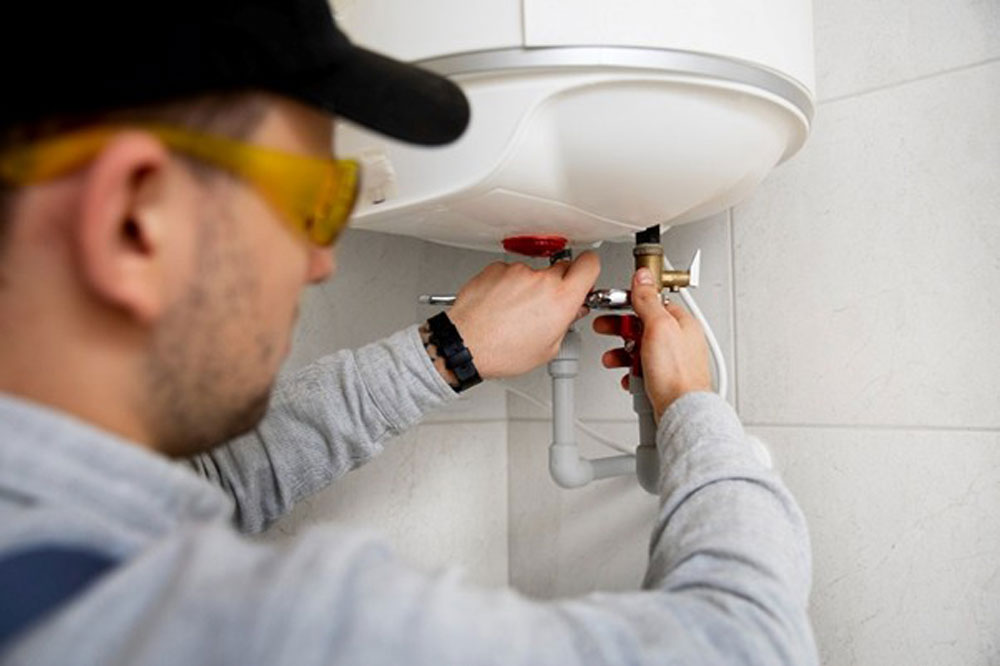
    If you’re handy and enjoy keeping things running smoothly, there are a few DIY hot water tank maintenance steps that can make a real difference. Always remember to switch off the power or gas supply and allow the water to cool enough to avoid scalding before you start working on the tank.

    Don’t forget to inspect your anode rod. This steel core with a coating of aluminium or magnesium is designed to attract corrosive elements, protecting the interior lining. If it’s eaten away beyond a few centimetres of its thickness, a replacement is due. Finally, clear away any clutter or dust around your tank. Ample airflow enhances efficiency and prevents fire hazards, especially in the case of gas heaters. With these simple steps, you’ll be well on your way to a more efficient and longer-lasting hot water Point Cook.

    Preventative Measures and Energy-Saving Tips

    Prevention is better than cure, especially for something as vital as your hot water system. One of the simplest measures is checking for insulation. An insulated cylinder retains heat far more effectively, lowering your energy consumption. If you place your hand on the outside of the tank and it feels hot, you might benefit from adding an extra layer of insulation to keep that heat inside.

    Another cost-effective tip: explore upgrading to more efficient technology, such as heat pumps or solar-assisted systems, if it suits your home’s design and climate. Installing efficient showerheads and taps can also cut down on waste. Finally, consider everyday habits like shorter showers and washing clothes in cold water. These small steps collectively reduce your hot water usage, saving energy and money while helping your tank last longer.

    Troubleshooting Common Hot Water System Problems

    Even with diligent care, you may occasionally run into a few hiccups. One of the most frustrating is having no hot water at all. Electric systems might suffer from a tripped circuit breaker, a faulty thermostat, or a burned-out heating element. If you have gas, a blown-out pilot light or a malfunctioning ignition is often to blame. Once you rule out the simplest fixes, don’t hesitate to call a qualified technician

    You may also notice water pressure troubles or intermittent flows. Check your home’s water supply first—sometimes, the problem is outside your control if local water pressure has dropped. If that’s not the issue, examine your system’s inlet valve or look for mineral buildup in pipes and aerators. A thorough flushing or a new valve can often restore normal water flow.

    When to Call a Professional?

    Sometimes, a quick flush or valve check isn’t enough to fix what’s ailing your hot water tank. If you detect substantial leaks, notice a strong smell of gas, or discover extensive rust on the exterior of your unit, engaging a qualified technician is non-negotiable. Attempting these repairs without the proper skills or tools can lead to bigger problems down the road or even pose safety hazards.

    Finding reliable hot water specialists in Point Cook doesn’t have to be complicated. Start by asking neighbours or friends for recommendations. Look for licensed plumbers or technicians who have a wealth of industry experience and knowledge of your specific system type. Ask about warranties and routine service plans to help secure your heater’s best performance. Don’t be afraid to compare quotes if the task looks more complicated than a quick fix.

    Conclusion

    Regular check-ups also mean you’ll enjoy a consistent flow of warm water, while lowering your household’s energy bills. There’s nothing worse than an unexpected cold shower when you’ve got places to be, so a small investment of time and money in maintenance can pay off in convenience and comfort. If any part of the process seems overwhelming, or if you spot leaks or major corrosion, calling in a professional is the wise move.

  • Making Your Kitchen More Functional with a Remodel

    Making Your Kitchen More Functional with a Remodel

    Your kitchen is more than just a place to cook – it’s the most-used room of your home. Whether you’re preparing family meals, entertaining friends, or simply grabbing a quick snack, the layout and functionality of your kitchen play a huge role in how smoothly your daily routines flow. A kitchen remodel should be centered around your unique lifestyle and practical needs, making it not just a beautiful space, but one that works for you.

    Focus on Workflow and Function

    Start by considering how you use your kitchen on a day-to-day basis. Are you an avid cook who needs plenty of counter space for food prep? Do you frequently entertain guests and require a large island or an open layout to keep things social? Understanding your habits and routines is key to making your remodel both functional and tailored to your lifestyle.

    For example, if you enjoy cooking elaborate meals, creating designated zones for prep, cooking, and cleanup can streamline the entire process. Installing a spacious island with built-in storage can provide additional workspace, while under-cabinet pull-outs and shelving can keep utensils and ingredients within easy reach. If your family often gathers in the kitchen, creating an open floor plan that connects the kitchen to the living or dining area can encourage interaction while you cook. This can also reduce the feeling of isolation that can come with a more closed-off kitchen.

    Prioritize Smart Storage Solutions

    One of the most common frustrations in any kitchen is a lack of storage space. A functional kitchen remodel can address this by incorporating smart storage solutions. For instance, deep drawers for pots and pans, pull-out pantry shelves, and corner carousels can help you maximize space and keep your kitchen organized.

    Additionally, consider cabinetry that extends all the way to the ceiling. This will give you more storage capacity and eliminate the need to dust hard-to-reach areas. Customizable cabinet inserts, such as dividers for cutlery or pull-out racks for spices, can help you stay organized and find exactly what you need without digging through cluttered drawers.

    Make It a Multi-Use Space

    A kitchen remodel doesn’t just have to focus on cooking – it can also adapt to your other needs. If you work from home, consider integrating a small office nook where you can sit and manage tasks without disrupting the flow of the kitchen. Adding a breakfast bar or a small dining area can create a space for casual meals or homework sessions.

    If your family spends a lot of time in the kitchen, a bench seating area with storage beneath could serve as a cozy spot for reading or relaxing. Even a simple upgrade, such as adding a window seat by the kitchen’s natural light, can make a big difference in how you use the space.

    For tips on creating a dynamic, versatile workspace in your kitchen, take a look at this article from Epicurious.

    Consider Quality, Low-Maintenance Materials

    When designing a functional kitchen, it’s important to select materials that are not only aesthetically pleasing, but also easy to maintain. High-quality countertops, such as quartz or granite, are durable and require minimal upkeep, making them ideal for a busy kitchen. Similarly, choosing backsplash materials that are easy to clean, like subway tiles or glass panels, will ensure that your kitchen remains both beautiful and practical for years to come.

    Your floor choice is also critical in terms of both function and longevity. Opt for a flooring material that can handle heavy traffic and spills, such as vinyl, tile, or engineered hardwood. These materials don’t only withstand wear and tear impeccably, but they are also easier to maintain than more delicate options.

    Plan for Future Needs

    When remodeling your kitchen, it’s also wise to think about future needs. Is there a chance that your family could grow in the coming years? If so, adding more seating, expanding storage, or reconfiguring your layout to accommodate changing dynamics can help ensure that your kitchen remains functional for the long haul. Are you hoping to lay the groundwork for an accessible space? If that’s a priority, think about factors like distance between countertops and ample room to use a walker or wheelchair.

    Incorporating energy-efficient appliances and fixtures is another way to prepare for the future while keeping your kitchen modern and cost-effective. From energy-efficient dishwashers to water-saving faucets, these upgrades can reduce your utility bills and minimize your environmental impact.

    Get Your Dream Kitchen

    Renovating your kitchen is not just about increasing your home’s worth – it’s about enhancing your everyday living experience. By focusing on functionality, storage, multi-use features, and smart material choices, you can create a kitchen that truly fits your lifestyle. If your kitchen no longer serves your needs or isn’t as practical as it could be, it may be time to remodel your kitchen . Pinnacle Development & Renovation can help guide you through the process from start to finish. Their goal is to walk alongside you from start to finish and create a kitchen that works for you for many years to come.

  • Embrace Your Dining Space: Expert Tips and Tricks to Keep in Mind

    Embrace Your Dining Space: Expert Tips and Tricks to Keep in Mind

    Designing a beautiful dining area is not just about the cuisine; it is about designing an appealing and efficient space people would like to be in. Regardless of whether you use your dining room as the one welcoming you with a cup of coffee and newspaper every morning, one that is suitable for family dinner, or you need an expansive dining space for all important ceremonies and guests, some rules and tricks are allowing you to create the interior that will meet all expectations and become a perfect addition to your home. Now let’s get acquainted with some useful pieces of advice that will help you open yourself and your dining space, making it both functional and beautiful.

    Choose the Right Dining Table:

    The dining table is the focal point of your home eating area, so select a design appropriate for your home and you. A circular table is best suited to regions where interaction is easy, while a rectangular or square is more suitable for regions with larger spaces. If you are a parent to young kids or have pets, look for a table that has rounded legs and is built to last.

    Get Creative with Seating Options:

    The days when dining chairs had to look alike are taken back with the changing trends. This way of combining chairs can add warmth and personality and teach us to mix different seating styles. If you consider arranging a more informal setting, it will be great to have several chairs and a bench on one side. You can also try out upholstered chairs for more of a luxurious look or even tell your interior designer to bring in some vintage chairs for the character.

    Use Lighting to Set the Mood:

    Lighting is a particularly important element of a dining area to produce a welcoming environment. An illuminating statement light chandelier or pendant adds style and has the potential to turn into a focus. If you want the lighting of the house to be flexible, you should consider the installation of a dimmer switch. Another feature of smart lamps is that you can change the level of brightness on the fly depending on what kind of event is in front of you—be it a romantic dinner or a family game night.

    Incorporate Storage Thoughtfully:

    Eating rooms tend to be general purpose, and therefore the addition of storage is an ideal way of ensuring the space is properly managed. A sideboard or buffet is great for doubling as additional plate, glass, and linen storage. Connected shelves can also be effectively used as style but also if you like displaying your collections or other ornaments.

    Select a Stylish Rug:

    Floor mats, on the other hand, as you shall learn from this article, do not come as a necessity when interior designing the dining area but are simply decorative, adding colour and warmth to your dining area’s texture. If you decide to include one, leave enough space to fit chairs when they’re pulled out from the table, and it should be interesting—around 24 inches. If you would like to avoid some hassle in the bathroom in particular, then go for a low-pile stain-treated rug.

    Make Personalisations with Art and Decor:

    Living and interiors are the most essential components of a person’s character and individuality, and that’s why the dining area also needs different creative solutions. Purchase artwork to hang on the wall to make the room pop or to arrange the wall with unique characters. Real flowers, scented candles, and plain tablecloths in your chosen colours are ideal for seasonal changes and do not need to be replaced if you wish to alter the appearance of the room.

    Embrace a Colour Scheme That Feels Right for You:

    Graphic colour options can totally work wonders in any dining area. Dark ten lights like navy blue or emerald green make the room look and feel close; lighter colours like beige or pastel colours make the room seem open and spacious. For a more dramatic effect, consider some contrasting colours and paint one wall in a bright hue or put up some funky wallpaper.

    Keep Functionality in Mind:

    For your dining space, never compromise the furniture design for style, regardless of the chosen theme. Check that adequate circulation is possible in case the dining room connects with other rooms. Think about the practicalities of the space: are there juveniles at home? Do you need furniture that can withstand their messy behaviour and is easy to clean? Do you have big functions, celebrations, and events on the regular? Don’t be a slave to a diet; let your lifestyle determine your diet.

    Conclusion: Design Your Dream Dining Space

    An ideal dining area is all about achieving equations between all the considerations. Arming yourself with these expert tips will get you on track to creating that perfect dining space for you and your family. Selecting the right table, incorporating the proper chairs, experimenting with lighting, and incorporating the right touches make your dining space one you, at last, adore. Cheers to the destination, and it is more important to say that the best dining rooms are crowded with the warmth of family and the joyous laughter of friends.

  • How to Protect Your Carpet from Furniture Dents and Marks

    How to Protect Your Carpet from Furniture Dents and Marks

    Every home needs carpets to create a peaceful environment as they bring warmth and cosiness. However, you could discover dents left behind on your precious rugs upon moving your furniture. This is understandably aggravating.

    Carpet dents can be tough to eliminate, giving your crisp carpet a weary look. However, rest assured, being stylish doesn’t mean you have to sacrifice practicality.

    This handy guide will teach you how to keep your carpets free of unsightly marks, all while preserving their fresh look.

    Why Furniture Dents Happen

    Knowing the reason your carpet gets dented enables you to identify the best strategies to avoid it.

    Extended pressure from the weight of your furniture causes carpet dents. This strain compresses the fibres over time, flattening them and making those clear marks.

    Synthetic fibres, in particular, are more likely to show these dents than others. Natural materials, like wool, tend to bounce back more readily. However, they aren’t immune to long-term damage.

    You also have to take the type of furniture into account. Heavier items, such as big couches or wood chests, will naturally leave more noticeable markings than less heavy furniture.

    These dents can linger even if you frequently clean your floor coverings. In return, this compromises the general look of your space.

    Furniture Pads: A Simple, Effective Solution

    Furniture pads are a simple and cost-effective strategy to deter carpet dents.

    These pads, typically crafted from rubber or felt, provide a protective layer between your carpet and furniture legs. Their main function is to spread the weight more uniformly.

    By preventing too much strain on one area, they reduce the possibility of deep grooves developing.

    Usually found in most hardware or home stores, these furniture pads come in a range of forms and sizes to fit different kinds of furniture.

    Search for pads with strong adhesive backing to ensure they remain securely in place. Some even come in sliding forms that let you quickly rearrange your furniture without damaging your floors.

    Although furniture pads can have a big impact, it’s crucial to make sure they haven’t shifted or deteriorated over time. Every few months, a routine inspection will help you avoid this.

    The Magic of Carpet Protectors

    Carpet protectors are your best option if you want extra security. These thin, translucent rubber sheets are designed to protect your rugs. They are ideal for high-traffic areas or beneath furniture.

    Along with preventing dents, they guard against regular wear, grime, and spills. Moreover, they are easy to use and can be cut to suit the base of your furniture.

    Just set them under heavy objects like sofas, mattresses, or dining tables to lower the risk of damaging your carpet fibres.

    For those who enjoy constantly rearranging their furnishings, this can be quite helpful.

    Carpet protectors help maintain its original plushness and beauty. They also prevent the deep grooves that often develop over time.

    Rearranging Your Furniture: A Simple Habit with Big Results

    Rearranging your furniture every so often will help you prevent lasting damage to your floor coverings.

    Moving your furniture just a bit can have a significant impact. There’s no need to totally redo your living room every couple of months.

    This lets the fibres “breathe” and spring back to their natural state. Especially if you have bulky furniture, you should do this often.

    The weight can be more evenly distributed across the carpet simply by rotating your couch or moving your dining table a few inches.

    Additionally, furniture slides are an affordable solution that can help you glide bulky objects without hurting the fibres.

    Ice Cube Trick: A Quick Fix for Dents

    If you notice any dents in your carpet, there’s no need to worry. The ice cube trick is a simple and surprising way to raise those dents effortlessly.

    Depending on the size of the groove, place an ice cube or more directly into the dented section.

    Allow it to melt entirely. When the water is absorbed into the carpet, it will cause the fibres to swell and gradually return to their former look.

    Once the carpet has dried, softly fluff the fibres using a spoon or your fingertips.

    Although you can attempt this on various kinds of fabrics, this approach is especially beneficial for wool carpets. Just make sure to blot any extra water and steer clear of over-saturating the area to stop mildew growth.

    This is a fantastic, reasonably priced approach for minor dent correction without professional help.

    Choosing the Right Carpet for Durability

    Picking the correct kind of carpet will significantly help minimise dent and mark visibility. Rugs made out of durable, premium materials have a lower tendency for permanent indentation.

    Wool carpets, for instance, are renowned for their capacity to recover from pressure. Another great choice is nylon since it remains soft underfoot yet has a great degree of toughness.

    Moreover, pile height should be considered when choosing a carpet. Higher-pile carpets are more likely to show furniture dents. Conversely, lower-pile carpets tend to be more dent-resistant.

    Consult a qualified cleaning company if you are ready to replace your old carpet. They can recommend the best type based on your lifestyle and needs.

    Professional Carpet Cleaning: Keeping Carpets Looking Fresh

    Grime, dust, and rubble can accumulate within the weaves of your carpet. This built-up filth makes your rugs less effective in recovering from dents.

    Although your weekly cleaning schedule should include vacuuming, it is never sufficient to maintain the best appearance of your rugs. Carpet cleaning services come in handy here.

    Giving your carpets a thorough cleanse can aid in removing marks left by furniture. It also eliminates hidden dirt, rejuvenating their look and feel.

    Most experts advise a minimum of one professional cleaning session annually.

    A tidy carpet does more than just improve the look of your house. It also adds to its lifespan, ultimately benefiting your wallet.

    Conclusion

    Keeping your carpets looking fresh doesn’t have to be a tedious chore.

    With a few smart strategies, like furniture pads and the clever ice cube trick, you can easily prevent unsightly dents.

    Remember to give your living space a new look by occasionally moving the furniture around. It’s an easy method for dent prevention.

    For an added boost, consider using a house carpet cleaning service to revive those threads and prolong the lifespan of your carpet. So, get creative with your space and let your carpets shine!

  • Updating Your Space: How to Make Your Home Reflect Your Evolving Style

    Updating Your Space: How to Make Your Home Reflect Your Evolving Style

    As we go through life, our tastes and preferences naturally evolve. This change is often reflected in our choice of clothing, hobbies, and even how we decorate our homes. Creating a space that feels truly ‘you’ is an ongoing process. But with so many choices available, where do you begin? Here are some practical tips to help you update your home to reflect your evolving style while also making it a welcoming and functional environment for your family, including the little ones.

    Start with a Clear Vision

    Before embarking on any home updates, it’s essential to consider your current style. You may have once loved minimalism but now crave a more eclectic or cosy look. Or perhaps, with young children in the house, your style has shifted to embrace practicality alongside aesthetics.

    Begin by gathering inspiration—whether from magazines, Pinterest, or even the homes of friends you admire. Think about the mood you want to create in your space. Is it a calm retreat from the world? A lively, family-centred environment? Once you have a clear vision, it will be much easier to decide which elements of your home need updating.

    Blend Style with Functionality for Families

    For families, particularly with young children, it’s important to strike a balance between style and functionality. For instance, when choosing furniture or materials, opt for stylish and practical pieces. If your style leans towards light and airy colours, but you have toddlers who love to explore with sticky fingers, consider stain-resistant fabrics or wipeable surfaces that won’t leave you stressing over every spill.

    Creating designated areas in your home can also be a great way to incorporate your evolving style. If you have young children, you can design a living room corner or a playroom with storage for educational learning toys and Outdoor toys for toddlers. This not only keeps things tidy but also offers a structured area for play, learning, and creativity without compromising the overall aesthetic of your home.

    Prioritise Personalisation

    To truly reflect your style, focus on adding personal touches that make your home feel like an extension of yourself. This could be through family photos, souvenirs from your travels, or unique art pieces. These elements add depth to your décor and remind you of the things that hold meaning in your life.

    For those with little ones, personalisation can also extend to their spaces. Children’s bedrooms or play areas can be personalised with their favourite colours, themes, and even artwork. Incorporating educational learning toys not only adds a fun element but also enhances their cognitive development. For example, wooden puzzles, stacking blocks, or alphabet boards are great for both visual appeal and educational benefits.

    Outdoor Space Matters Too

    As your style evolves indoors, don’t forget to extend these changes to your outdoor space. Whether you have a garden, balcony, or small patio, this area can be a reflection of your personality too. It’s also a great space to create a fun and functional area for the kids.

    Investing in outdoor toys for toddlers like sandpits, water tables, or ride-on toys can make your garden a more engaging environment for little ones. You can also add stylish, weatherproof seating for adults, creating a child-friendly and relaxing space for the whole family. If you love greenery, adding potted plants or a small herb garden can give the space a fresh, natural feel.

    Small Changes Make a Big Difference

    You don’t always need to overhaul your entire home to reflect a new style. Sometimes, the smallest changes can make the biggest impact. Swapping out throw cushions, updating rugs, or changing wall art can breathe new life into a room. You might also consider a fresh coat of paint in your favourite new shade or updating lighting fixtures for a modern twist.

    For families with children, these smaller updates can be done with ease. A colourful rug can serve as a playful focal point in a living area, while soft, comfortable cushions create a cosy space for the family to lounge. Little ones can enjoy their own style upgrades too, with fun bedding or soft, plush toys that match their current interests.

    Conclusion

    Updating your space to reflect your evolving style doesn’t have to be overwhelming. By focusing on blending your personal taste with practicality, especially if you have young children, you can create a home that is both beautiful and functional. Incorporate personal touches, keep an eye on trends that inspire you, and don’t forget to create dedicated spaces for the family, including areas for educational learning toys and outdoor toys for toddlers. As your style changes over time, so too will your home – an ever-evolving reflection of you and your family’s journey.

  • 10 Popular Myths & Misconceptions about Transportable Homes

    10 Popular Myths & Misconceptions about Transportable Homes

    Growing up, I dreamed of a cosy, sustainable home that could move with me. The world of transportable homes was full of wrong ideas. Now, as an Australian homeowner, I see their true value. I’m excited to share what I’ve learned with you.

    We’ll look at 10 common myths about transportable homes, prefabricated houses, modular buildings, and relocatable dwellings. We’ll talk about their cost and how green they are. You’ll see why they’re a great choice for many people like me.

    We aim to clear up the confusion around transportable homes, demountable structures, flat-pack homes, and kit homes. Let’s explore the world of manufactured housing together. We’ll debunk myths and see the real value of these new living options.

    Key Takeaways

    • Transportable homes are a flexible and affordable housing solution in Australia
    • Modular and prefabricated homes offer customisable options to suit individual needs
    • Transportable homes can be a sustainable choice, with a focus on energy efficiency and eco-friendly materials
    • Demountable structures and flat-pack homes provide versatile living spaces that can be easily relocated
    • Stringent quality standards ensure the safety and durability of manufactured housing in Australia

    Debunking the Myth of Transportable Homes

    Many think transportable homes are just cheap, short-term options. But, they are actually built to last as long as regular houses. They focus on being strong, useful, and good-looking.

    Exploring the Reality Behind Portable Living Spaces

    Transportable homes, or portable living spaces, have many benefits. They are made to move without losing their strength or safety. This means they can last a long time.

    Addressing Common Misunderstandings About Relocatable Dwellings

    Some believe transportable homes are not as good as regular houses. But, they follow the same building rules and use quality materials. They also get checked carefully to make sure they’re up to standard.

    Myth Reality
    Transportable homes are low-quality Transportable homes are built to the same high standards as traditional homes
    Transportable homes are temporary structures Transportable homes are designed for long-term, durable use
    Transportable homes lack customization options Transportable homes offer a wide range of customizable features and layouts

    We need to clear up these wrong ideas to see the real value of transportable homes. They offer a smart way to live affordably, flexibly, and sustainably.

    “Transportable homes are not merely a passing trend – they represent a genuine shift in the way we approach modern living.”

    The Versatility of Prefabricated Houses

    Many people think prefabricated houses are limited, but they’re actually very customizable. You can choose from modern to traditional designs. We can make these modular buildings fit your personal taste and lifestyle.

    Customizable Options for Modular Buildings

    Prefabricated houses offer endless possibilities. You can pick from many floor plans, layouts, and architectural features. This lets you create a home that shows off your unique style and needs.

    One big plus of modular buildings is personalizing the inside and outside. You can choose finishes, fixtures, and fittings that match your style. This makes your prefabricated home truly yours.

    Customization Options Details
    Floor Plans Choose from a variety of open-concept, multi-level, and specialized layouts to suit your lifestyle.
    Exterior Finishes Select from a range of cladding materials, colours, and architectural details to achieve your desired look.
    Interior Design Customize the finishes, fixtures, and fittings to create a living space that is uniquely yours.

    Homeowners can really make their prefabricated home their own. Modular buildings let you design every part of your home. This way, you get a space that meets your needs and shows off your style.

    “The beauty of prefabricated houses is that they offer the perfect balance of customization and convenience. You can have the home of your dreams, without the hassle of traditional construction.”

    Transportable Homes: Affordable and Sustainable

    Many think transportable homes are pricey, but they’re actually a budget-friendly choice. They’re made with an eye on cost and being kind to the planet. This makes them a smart pick for Australians looking for cheap and green homes.

    Transportable homes stand out because they’re built in modules. This means making them is quicker and cheaper. Builders use prefabricated parts to cut down on waste and save on labour. This leads to homes that are affordable but still look great.

    Also, transportable homes come with green features to lessen their environmental footprint. They have energy-saving gadgets, good insulation, and parts made from recycled or sustainable materials. This makes them affordable and sustainable for years to come.

    “Choosing a transportable home lets us live modern, energy-smart lives without spending a lot. It’s great for our wallets and the planet.”

    Transportable homes mix affordability with sustainability. They’re perfect for those wanting to save money and help the environment. As more people look for budget-friendly and green homes, these innovative houses are set to become more popular in Australia.

    Quality Assurance in Manufactured Housing

    Many think transportable homes are not as good as regular houses, but that’s not true. In Australia, the manufactured housing industry follows strict building rules. These homes go through a tough quality check to make sure they’re safe and well-made, just like regular houses.

    Rigorous Standards for Demountable Structures

    Manufacturers of demountable homes, or transportable homes, must follow strict guidelines. They pick materials and build them in a way that’s closely watched. This ensures the homes are top quality and last a long time.

    • All parts used in making manufactured homes must be up to standard.
    • Quality checks happen at every step of making the home, including tests and inspections.
    • These homes are checked on-site to make sure they’re set up right, making them safe and strong.

    This strict approach means the manufactured housing industry in Australia offers high-quality, safe, and dependable homes. These homes are just as good as traditional houses. This effort proves that these homes are a great choice for living.

    “The quality of our manufactured homes is our top priority. We work tirelessly to ensure every aspect of the construction process meets or exceeds the industry’s most stringent requirements.”

    – John Smith, Quality Assurance Manager, XYZ Homes

    Transportable Homes: A Flexible Solution

    Transportable homes are super flexible, unlike traditional homes. They let you move the home to a new spot or change the inside layout easily. This gives homeowners the power to adjust their living space as their needs change.

    One big plus of transportable homes is how easy they are to move. You can follow a job, be closer to family, or check out new places without the stress of selling and buying a regular home. Their design makes them easy to move, so you can take your home to a new spot when you want.

    These homes are also super flexible inside. You can change the layout to fit what you need. Want a home office, an extra bedroom, or a bigger living area? It’s easy with transportable homes because of their design.

    Feature Benefit
    Portability Allows homeowners to easily relocate their living space to new locations
    Customisable Layout Enables homeowners to reconfigure the interior to suit their changing needs
    Adaptable Design Provides a flexible solution for homeowners seeking a dynamic living environment

    Choosing transportable homes can really open up new possibilities. If you want a home that can change with you or the freedom to move around, these homes are a great choice. They offer something traditional homes just can’t.

    “Transportable homes provide a level of freedom and adaptability that truly sets them apart from conventional housing options.”

    Embracing the Future of Flat-Pack Homes

    The world of transportable homes is changing fast, with new designs and building methods catching the eye of homeowners in Australia. Flat-pack and kit homes are leading the way, making it easier and cheaper to own a home. They let people take part in building their own homes.

    Innovative Designs for Kit Homes

    Old, boring transportable homes are a thing of the past. Today’s kit homes are all about creativity and practicality. People can pick from many stylish, modern, and customisable options that fit their taste and lifestyle.

    Now, flat-pack homes come in many styles, from modern to rustic. They offer innovative designs, save energy, and blend indoor and outdoor spaces well. This is changing how we see and live in transportable homes.

    “The beauty of kit homes lies in their ability to blend form and function, offering homeowners the freedom to create a space that truly reflects their unique style and needs.”

    The need for flexible and green living is growing, and the kit and flat-pack home industry is answering. They’re bringing forward designs that are changing the future of transportable living.

    Conclusion: Separating Fact from Fiction

    In this article, we’ve looked into the truth about 10 common myths about transportable homes in Australia. We’ve shown how these homes are quality, affordable, versatile, and sustainable.

    As more people want adaptable and green homes, it’s key to know what’s real and what’s not. Transportable homes have many benefits, like being easy to customize and cost-effective to build. They’re a great choice for both homeowners and investors.

    We aim to clear up the myths and highlight the good points of transportable homes. We want Australians to see the benefits they offer. As housing changes, these homes will be important in how we live.